A complete home upgrade requires careful planning, expert craftsmanship, and a clear vision. Homeowners in Burlington often choose a full interior renovation to improve functionality, modernize living spaces, and increase property value.
Professional renovation contractors Pacific Buildersspecialize in structured renovation planning and interior transformations. Their work focuses on upgrading residential spaces while maintaining structural integrity and design consistency. Whether the project involves updating outdated layouts, remodelling multiple rooms, or finishing unused areas, a full interior renovation allows homeowners to reimagine how their entire homework and feels.
This guide explains what a full interior renovation involves, why homeowners in Burlington consider it, and how to approach the process effectively.
What Is a Full Interior Renovation?
A full interior renovation involves upgrading or remodeling most or all the interior spaces in a home. Unlike a single-room remodel, this approach focuses on the entire interior environment.
Typical elements included in a full renovation may involve:
- Kitchen remodeling
- Bathroom upgrades
- Flooring replacement
- Wall and ceiling updates
- Lighting improvements
- Plumbing and electrical modernization
- Basement finishing
- Interior layout adjustments
The goal is to create a cohesive living environment that reflects modern needs and lifestyle preferences.
Why Homeowners in Burlington Choose a Full Interior Renovation
Burlington is known for its established residential neighborhoods, many of which feature homes built decades ago. While these properties often have strong structural foundations, their interiors may no longer match modern living standards.
A full interior renovation allows homeowners to address several issues simultaneously.
Modernizing Outdated Interiors
Older homes often include design features such as closed-off kitchens, dated fixtures, and inefficient lighting. Renovation projects can update these spaces with modern layouts, improved materials, and better lighting solutions.
Improving Functionality
Lifestyle needs evolve over time. Families may require open living areas, home offices, or better storage solutions. Renovation projects help adapt the interior layout to changing requirements.
Enhancing Energy Efficiency
Interior renovations often include upgrading insulation, windows, lighting systems, and appliances. These improvements can reduce energy consumption and improve overall comfort.
Increasing Property Value
Well-planned renovations typically improve market appeal. Buyers often prefer move-in-ready homes with updated interiors, making a comprehensive renovation a practical investment.
Key Areas Included in a Full Interior Renovation
Every home renovation project is unique, but certain areas are commonly included when homeowners plan a full interior renovation.
Kitchen Renovation
The kitchen is frequently the centerpiece of interior renovations. Updates may include:
- New cabinetry and countertops
- Modern appliances
- Improved lighting
- Expanded layouts
- Better storage systems
Open-concept kitchens that connect with dining or living areas are especially popular in Burlington homes.
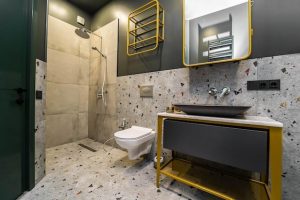
Bathroom Upgrades
Bathrooms are another critical focus during interior renovations.
Typical updates include:
- Modern vanities
- Walk-in showers or bathtubs
- New tile and flooring
- Updated plumbing fixtures
- Improved ventilation
Renovating bathrooms enhances comfort while increasing long-term durability.
Basement Renovation
Basements offer valuable additional living space that is often underused. A basement renovation may include:
- Guest suites
- Recreation rooms
- Home offices
- Rental units
- Entertainment areas
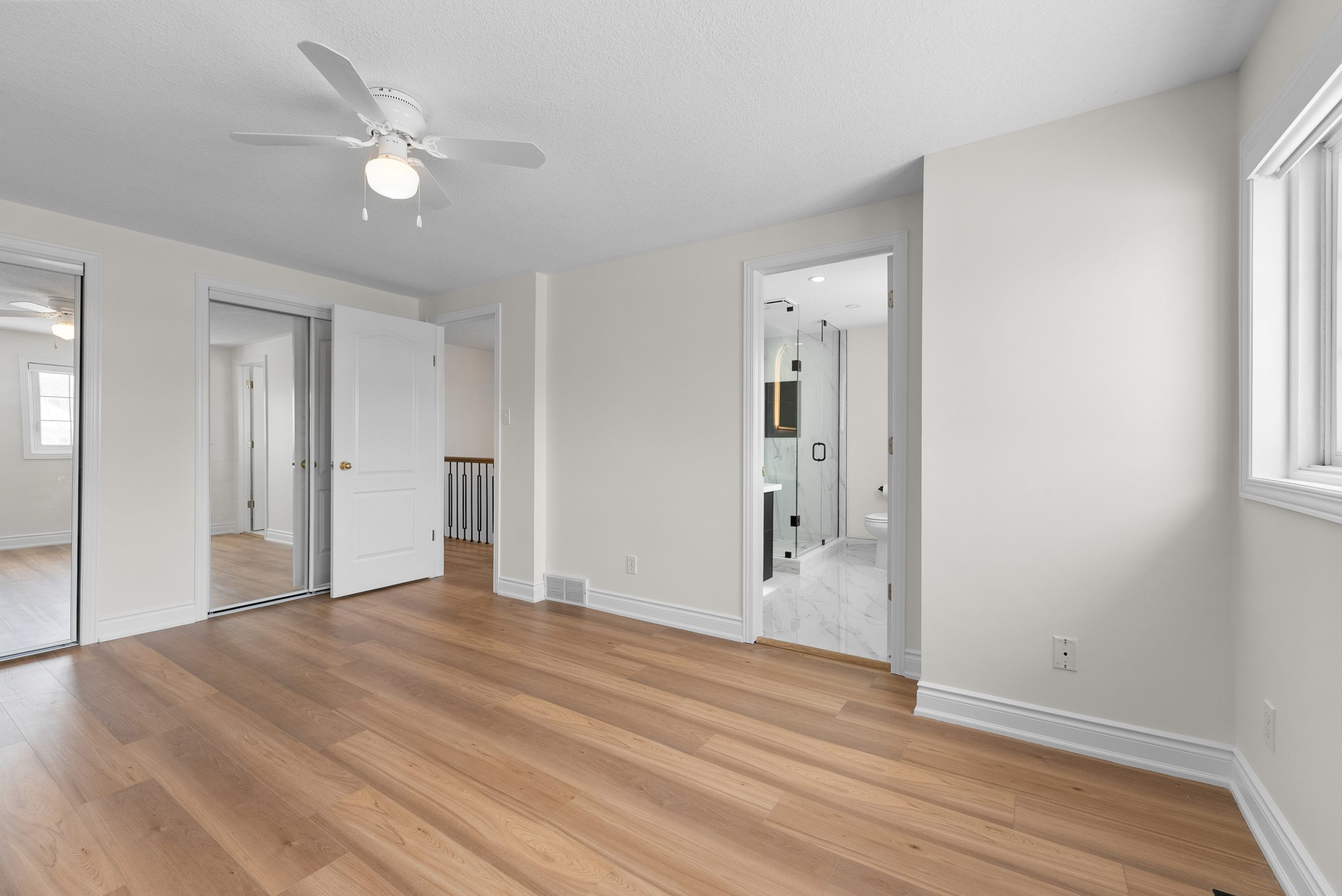
Living Areas and Bedrooms
Living rooms and bedrooms are often redesigned to improve comfort and style.
Updates may involve:
- Flooring replacement
- Interior painting
- Lighting improvements
- Built-in storage
- Wall reconfiguration
These upgrades create a consistent design theme throughout the home.
Planning a Full Interior Renovation
Careful preparation is essential for a successful renovation project. Planning reduces delays, controls costs, and ensures the result meets expectations.
Step 1: Define Renovation Goals
The first step in a full interior renovation is identifying what needs to change.
Homeowners should consider:
- Which rooms need upgrades
- Whether layout changes are required
- Budget limitations
- Long-term family needs
A clear vision helps guide design decisions throughout the project.
Step 2: Evaluate the Existing Structure
Before starting construction, professionals assess the home’s structural elements.
This evaluation may include:
- Electrical systems
- Plumbing networks
- Load-bearing walls
- Ventilation systems
- Insulation quality
Understanding these components ensures the renovation plan remains safe and compliant with building codes.
Step 3: Create a Detailed Renovation Plan
A structured renovation plan typically includes:
- Design drawings
- Material selections
- Project timelines
- Cost estimates
- Permit requirements
Planning reduces unexpected complications during construction.
Step 4: Establish a Realistic Budget
Costs vary depending on the size of the home and the scope of work.
Budget planning should consider:
- Construction labor
- Materials and fixtures
- Permit fees
- Temporary living arrangements if needed
- Contingency funds for unexpected issues
Financial preparation helps keep the project on track.
Step 5: Work With Experienced Renovation Professionals
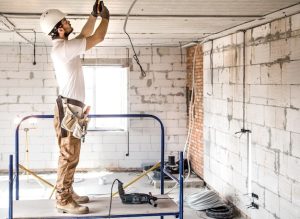
A full interior renovation requires expertise across multiple trades, including carpentry, plumbing, electrical work, and interior design.
Experienced contractors coordinate these tasks efficiently and ensure the renovation meets local building regulations.
Homeowners who want to discuss renovation projects can reach out at contact page.
Design Trends in Full Interior Renovation
Many homeowners incorporate modern design trends during their renovation projects. These trends improve both aesthetics and functionality.
Open Concept Living Spaces
Open floor plans remain a common goal in interior renovations. Removing unnecessary walls can create larger, brighter spaces that support family interaction and entertaining.
Natural Materials
Materials such as wood, stone, and textured finishes are frequently used to create warm and inviting interiors.
These elements help balance modern design with comfort.
Smart Home Integration
Technology is increasingly integrated into home interiors.
Examples include:
- Smart lighting systems
- Programmable thermostats
- Integrated security systems
- Voice-controlled devices
These technologies improve convenience and energy efficiency.
Multi Functional Spaces
Modern homes often include flexible rooms that serve multiple purposes.
Examples include:
- Home office and guest room combinations
- Entertainment spaces that convert into work areas
- Storage integrated into furniture and walls
A full interior renovation makes it easier to create adaptable living spaces.
Challenges Homeowners May Encounter
Although renovation projects can be rewarding, they also present certain challenges.
Budget Adjustments
Unexpected issues such as outdated wiring or hidden structural damage may require additional work.
Setting aside contingency funds can help manage these situations.
Permit Requirements
Certain renovations require permits from local authorities.
Working with experienced professionals ensures compliance with Burlington regulations.
Temporary Living Arrangements
Some full interior renovations require homeowners to temporarily relocate during construction, especially when kitchens or bathrooms are being rebuilt.
Planning ahead reduces disruptions to daily routines.
How Long Does a Full Interior Renovation Take?
Project timelines depend on the size of the home and the complexity of the renovation.
Typical durations may include:
- Small homes: 3 to 4 months
- Medium homes: 4 to 6 months
- Large homes or major layout changes: 6 to 9 months
Factors that influence the timeline include permit approvals, material availability, and the scope of structural modifications.
Benefits of a Full Interior Renovation
A well-executed full interior renovation provides several long-term advantages.
Improved Comfort
Modern layouts, better lighting, and upgraded materials create a more comfortable living environment.
Better Space Utilization
Renovations allow homeowners to make better use of existing square footage without expanding the home.
Updated Design Aesthetic
Interior renovations provide an opportunity to refresh outdated design elements and align the home with current styles.
Long-Term Durability
Replacing worn materials and outdated systems improves the longevity and reliability of the home.
Frequently Asked Questions
What is included in a full interior renovation?
A full interior renovation typically includes kitchen remodeling, bathroom upgrades, flooring replacement, lighting improvements, painting, basement finishing, and layout adjustments throughout the home.
How much does a full interior renovation cost in Burlington?
Costs vary depending on the size of the home, materials used, and the complexity of the renovation. Larger homes or projects involving structural changes generally require higher budgets.
How long does a full interior renovation take?
Most projects take between three and nine months depending on the scale of the renovation and any structural modifications required.
Do I need permits for interior renovations in Burlington?
Certain renovations, especially those involving structural changes, plumbing, or electrical work, may require permits from local authorities.
Is it better to renovate the entire interior at once?
Many homeowners choose a full interior renovation because it allows them to upgrade multiple spaces simultaneously. This approach can reduce long-term disruption and create a consistent design throughout the home.