When homeowners explore renovation ideas, bathrooms often sit high on the priority list, especially smaller ones where thoughtful upgrades can make a noticeable difference. Pacific Builders, renovation topics often focus on how strategic design, planning, and professional execution can transform compact spaces without unnecessary complexity. A small bathroom renovation, when done correctly, can improve daily comfort while also increasing property value.
This article explores practical, design-focused small bathroom renovation ideas that add long-term value. Rather than focusing on trends alone, the goal is to explain how layout choices, materials, lighting, and storage decisions contribute to durability, usability, and market appeal. These insights are especially useful for homeowners considering bathroom renovation services as part of a broader interior upgrade.
Why Small Bathroom Renovations Matter?
Small bathrooms are frequently used spaces. Because of their size, even minor inefficiencies become noticeable. Renovating a compact bathroom is not just about aesthetics but also about improving how the space works.
From a resale perspective, updated bathrooms consistently rank among the most valuable home improvements. Buyers often assess bathrooms closely, looking for clean finishes, functional layouts, and modern fixtures. A small bathroom that feels open and well planned can positively influence overall impressions of the home.
Planning a Small Bathroom Renovation
Assessing the Existing Layout
Before choosing finishes or fixtures, it is important to evaluate the current layout. Many older bathrooms were designed without storage efficiency or modern plumbing standards in mind.
Key questions to consider include:
- Is the layout maximizing available floor space
- Are fixtures proportionate to the room size
- Is there adequate clearance around the toilet and shower
- Can plumbing remain in place to control costs
Keeping the existing plumbing layout often helps maintain budget control while still allowing meaningful upgrades. Professional bathroom renovation services typically start with this type of functional assessment.
Setting Clear Renovation Goals
Clear goals help guide design decisions. Some homeowners prioritize storage, while others focus on accessibility or resale value. Defining the main purpose of the renovation ensures that every choice supports a practical outcome rather than adding unnecessary features.
Smart Layout Ideas for Small Bathrooms
Wall Mounted Fixtures
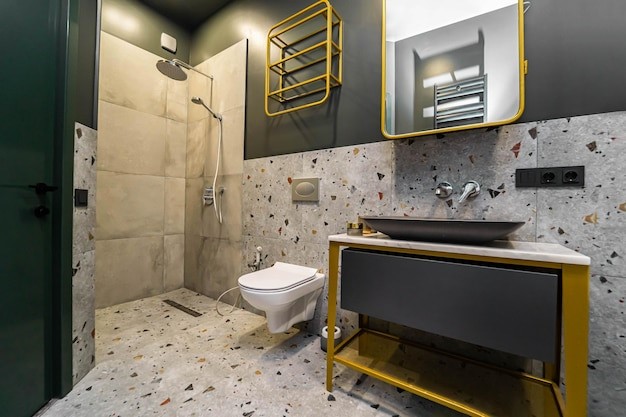
Wall mounted toilets and vanities free up floor space, creating a more open visual flow. This also simplifies cleaning and can make a small bathroom feel less confined.
Corner Sinks and Showers
Corner installations are effective solutions when space is limited. A corner sink can open up walking space, while a corner shower can replace a bulky bathtub without compromising functionality.
Walk In Showers Instead of Tubs
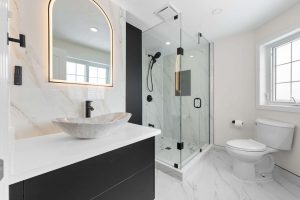
In many small bathrooms, replacing a tub with a walk-in shower improves usability and creates a cleaner look. Frameless glass enclosures allow light to pass through the room, reducing visual barriers.
Choosing the Right Materials
Flooring That Enhances Space
Large format tiles reduce grout lines, which helps the floor appear more expansive. Light neutral tones reflect more light and contribute to a sense of openness.
Porcelain tiles are often preferred due to their durability and water resistance, making them suitable for high moisture environments.
Wall Finishes That Add Depth
Using the same tile on both floors and shower walls can visually extend the space. Vertical tile patterns can make ceilings appear higher, while horizontal layouts can widen narrow rooms.
Painted walls should use moisture resistant finishes designed for bathrooms to prevent peeling and mold growth.
Lighting Strategies for Small Bathrooms
Layered Lighting Approach
Effective bathroom lighting usually combines three layers:
- Ambient lighting for overall brightness
- Task lighting near mirrors and sinks
- Accent lighting to highlight architectural details
This layered approach prevents shadows and improves functionality without overwhelming the space.
Maximizing Natural Light
If a window is present, using frosted or textured glass allows privacy while still letting in natural light. Avoid heavy window treatments that block daylight.
Storage Solutions That Do Not Overcrowd
Recessed Shelving
Recessed shelves built into shower walls or between studs provide storage without reducing usable space. They are especially helpful for toiletries and daily essentials.
Vertical Storage Options
Tall cabinets or open shelving above toilets make use of vertical space that is often underutilized. Keeping shelves minimal and organized prevents visual clutter.
Vanity Storage Optimization
Vanities with built in drawers and organizers help keep items accessible while maintaining a clean appearance. Floating vanities also contribute to an open feel.
Fixtures and Hardware That Add Long Term Value
Water Efficient Fixtures
Low flow toilets, faucets, and showerheads reduce water consumption without sacrificing performance. These features appeal to environmentally conscious buyers and help lower utility costs.
Consistent Hardware Finishes
Choosing a single finish for faucets, handles, and accessories creates a cohesive look. Popular options include brushed nickel and matte black, which tend to age well over time.
Ventilation and Moisture Control
Proper ventilation is essential in small bathrooms where moisture builds up quickly. An efficient exhaust fan prevents mold growth and protects finishes.
Modern fans are quieter and more energy efficient, making them a worthwhile upgrade during renovation. This aspect is often addressed during professional interior renovation planning.
Accessibility Considerations
Designing with accessibility in mind adds long term flexibility to the space. Features such as curbless showers, grab bar reinforcements behind walls, and wider doorways can be discreetly integrated without compromising design.
These elements support aging in place and broaden the appeal of the home to a wider range of buyers.
Coordinating Bathroom Renovations With Other Home Projects
Small bathroom renovations are often completed alongside other upgrades. Coordinating materials and design themes with projects such as interior renovations or house renovations ensures consistency throughout the home.
In some cases, homeowners renovating basements also include bathroom updates as part of basement renovation plans to increase livable space and functionality.
Working With Professional Bathroom Renovation Services
While some cosmetic updates can be handled independently, structural changes, plumbing, and electrical work require professional expertise. Bathroom renovation services help ensure that work meets building codes and performs well over time.
Professionals also assist with material selection, layout optimization, and project coordination, reducing the likelihood of costly mistakes.
For homeowners planning a dedicated washroom update, resources like washroom renovation services provide insight into how focused expertise can streamline the process.
Budgeting for a Small Bathroom Renovation
Understanding Cost Factors
Costs are influenced by several variables, including:
- Scope of work
- Material quality
- Plumbing or electrical changes
- Custom features versus standard fixtures
Allocating budget toward elements that improve durability and function often provides better long term value than purely decorative upgrades.
Prioritizing Value Driven Upgrades
If budget is limited, prioritize improvements that buyers and occupants notice most, such as flooring, lighting, and fixtures. These changes typically deliver strong returns without extensive structural work.
Maintenance and Longevity Considerations
A renovation that adds value should also be easy to maintain. Choosing stain resistant surfaces, quality grout, and durable finishes helps preserve the bathroom’s appearance over time.
Routine maintenance becomes simpler when materials are selected with longevity in mind, reducing the need for future repairs.
Final Thoughts on Small Bathroom Renovations
Small bathroom renovations offer a unique opportunity to improve both daily living and property value. Through careful planning, efficient layouts, and durable materials, even compact spaces can feel comfortable and functional.
Whether undertaken as a standalone project or as part of a broader home update, informed decisions supported by experienced bathroom renovation services can lead to results that remain relevant and valuable for years to come.
Homeowners interested in exploring renovation options or discussing project requirements can find additional information or make inquiries through the contact page.
Frequently Asked Questions
How long does a small bathroom renovation usually take
Most small bathroom renovations take between two and four weeks, depending on the scope of work and material availability.
Does renovating a small bathroom increase home value
Yes, updated bathrooms often improve resale value, especially when renovations focus on functionality, modern finishes, and efficient layouts.
Is it better to keep the existing layout
Keeping the existing plumbing layout can reduce costs. However, minor layout adjustments may significantly improve usability and are sometimes worth considering.
What materials are best for small bathrooms
Durable, moisture resistant materials such as porcelain tile, quartz countertops, and quality ventilation systems are well suited for small bathrooms.
Should I hire professionals for a small bathroom renovation
Professional bathroom renovation services help ensure safety, code compliance, and long term performance, particularly for plumbing and electrical work.