Thinking about renovating your kitchen? It’s exciting but it can also feel like a lot to handle. That’s were working with experienced professionals Pacific Builders makes a real difference. With a structured and practical approach, they help turn complex renovations into a smooth, well-managed process. A kitchen renovation isn’t just about upgrading how things look it’s about creating a space that fits your lifestyle, improves functionality, and adds lasting value to your home.
Let’s walk through it together, step by step.
Start by Understanding What You Really Want
Before anything else, take a moment to think about your current kitchen. What frustrates you the most?
Maybe you’re constantly running out of storage. Maybe the lighting is poor, or the layout just feels awkward when you’re cooking. These small annoyances are helpful they show you exactly what needs to change.
Now think about how you use your kitchen. Do you cook daily? Host friends often? Need space for kids or family gatherings? Your lifestyle should guide your decisions, not just trends.
A simple trick is to divide your ideas into three groups:
- Things you absolutely need
- Things that would be nice to have
- Things that are purely for looks
This keeps you focused and prevents you from getting carried away later.
Let’s Talk About Budget (Yes, It Matters)
Budgeting might not be the most exciting part, but it’s one of the most important.
Your kitchen renovation cost isn’t just about cabinets or countertops. It includes design, materials, labour, and sometimes permits. Knowing where your money is going helps you stay in control.
Also—expect surprises. Once work begins, hidden issues like old wiring or plumbing problems can show up. It happens more often than you’d think. Setting aside a little extra budget can save you a lot of stress later.
And here’s something worth remembering cheaper isn’t always better. Investing in quality materials and skilled professionals usually pays off in the long run.
Designing a Kitchen That Actually Works
This is where things start getting fun. Designing your kitchen is all about making it work for you.
You might have heard of the “work triangle”—it’s the idea of placing your sink, stove, and refrigerator in a way that makes movement easy. It may sound simple, but it makes a big difference in daily use.
Depending on your space, you could go for:
- An L-shaped layout for flexibility
- A U-shaped kitchen for extra storage
- A galley kitchen if space is tight
- An open layout if you want a modern, connected feel
There’s no one-size-fits-all solution. The best layout is the one that feels natural when you move around.
Choosing Materials Without Regret
This is where many homeowners get stuck—because everything looks good!
But instead of choosing only based on appearance, think long-term. Your kitchen gets used every single day, so durability matters just as much as style.
Cabinets, for example, take up a huge portion of your kitchen. Solid wood is strong and long-lasting, while engineered options can give you a modern look at a lower cost.
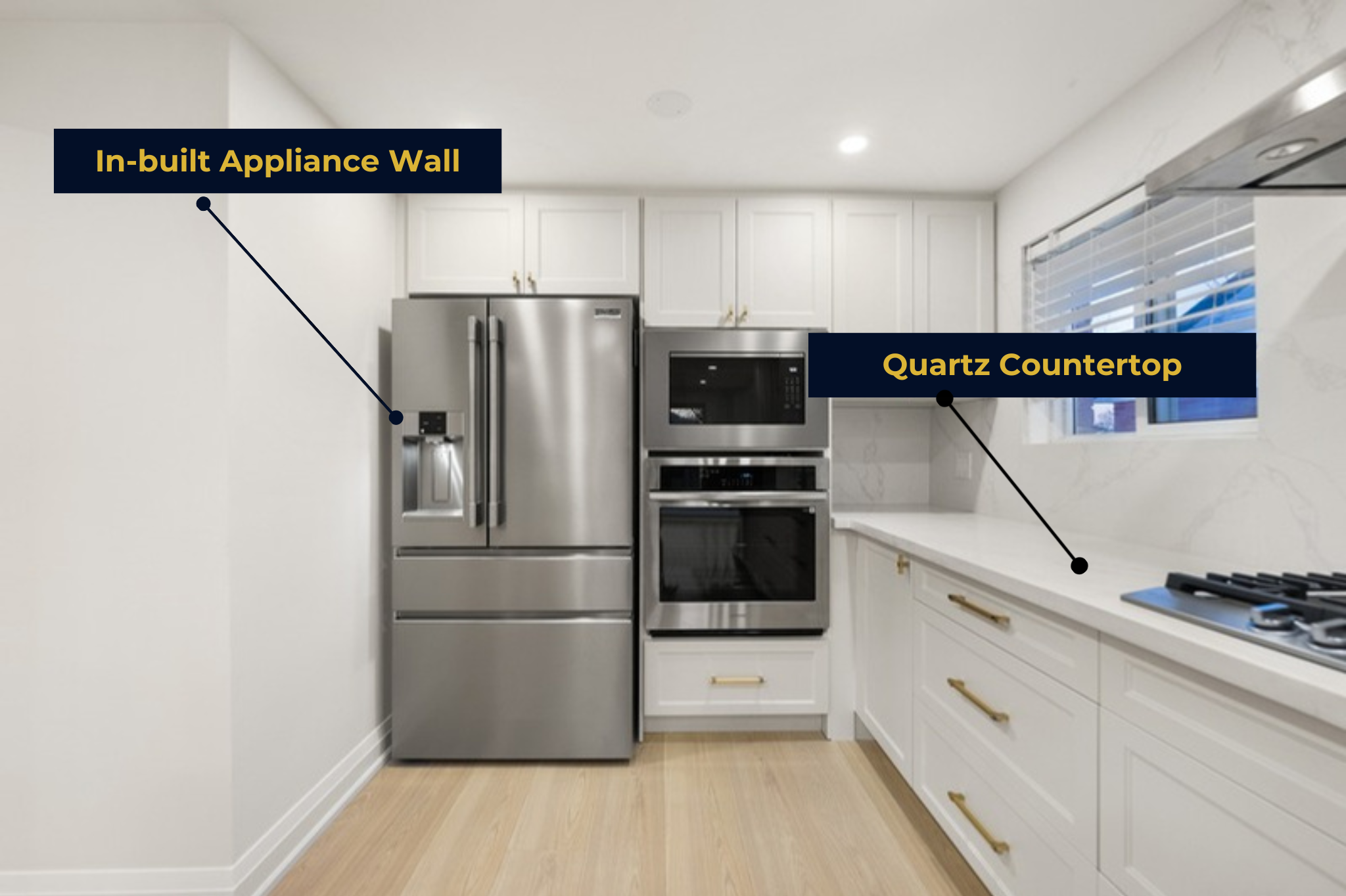
For countertops, quartz is low-maintenance, granite has a natural feel, and other surfaces offer flexibility depending on your needs.
And don’t forget the floor—it must handle spills, foot traffic, and constant use. Choose something that can keep up with your lifestyle.
If your renovation extends beyond the kitchen, such as incorporating a kitchen renovation alongside other areas like a basement renovation, coordination between teams becomes essential.
Getting the Right People on Board
A kitchen renovation isn’t a one-person job. There’s electrical work, plumbing, installation—it’s a lot to handle.
That’s why hiring experienced professionals makes such a big difference. They help keep things on track, avoid mistakes, and ensure everything is done properly.
When choosing a contractor, look for someone who communicates clearly and has experience with similar projects. You want someone who listens to your ideas but also gives honest advice.
Don’t Skip the Paperwork
Permits might feel like a hassle, but they’re there for a reason.
If your renovation involves structural changes, electrical updates, or plumbing work, approvals are usually required. It ensures everything is safe and up to code.
Handling this early prevents bigger problems later—especially if you ever decide to sell your home.
The Messy Part: Demolition
This is where things start to look chaotic—but in a good way.
Old cabinets come out, flooring gets removed, and your kitchen is stripped back to its base. It might feel like a step backward, but it’s actually progress.
Once everything is cleared, the space is prepared for rebuilding. This includes fixing walls, updating wiring, and making sure the foundation is solid.
Bringing Your Kitchen to Life
Now comes the most satisfying part—installation.
Cabinets go in, countertops are fitted, flooring is laid, and everything starts to come together. Slowly but surely, your vision becomes real.
Appliances are installed last, making sure everything works safely and efficiently.
If you want to add more things in home renovation at the same time, this stage requires good coordination to keep everything aligned.
The Final Details That Make a Big Difference
It’s often the small things that complete the look.
Fresh paint, well-placed lighting, and simple details like cabinet handles can completely transform the feel of your kitchen.
Before wrapping up, everything is checked one last time to make sure it’s working perfectly. Once that’s done, your kitchen is finally ready to use.
A Few Challenges to Expect
Even with the best planning, a few bumps along the way are normal.
Materials might get delayed. Costs might shift slightly. And sometimes, you may feel tempted to change designs midway try to avoid that, if possible, as it can slow everything down.
The key is to stay flexible and prepared.
Simple Tips to Keep Things Smooth
If you want full interior renovation to go as smoothly as possible, keep these in mind:
- Plan everything in advance
- Communicate clearly with your contractor
- Don’t rush important decisions
- Focus on how your kitchen works, not just how it looks
A practical kitchen will always feel better than one that’s just visually appealing.
Wrapping It Up
A kitchen renovation might seem like a big task, but when you break it down, it becomes much more manageable.
Take it one step at a time, stay organized, and keep your priorities clear. In the end, you’ll have a space that not only looks great but also makes everyday life easier and more enjoyable.
If you need guidance or want to discuss your project scope, you can connect through the contact page.
Frequently Asked Questions
How long does a kitchen renovation take?
It usually takes a few weeks to a few months, depending on how complex the project is.
What costs the most in a renovation?
Cabinets and labor tend to take up the biggest portion of the budget.
Can I live at home during the renovation?
Yes, but setting up a temporary kitchen space will make things much easier.
Do I really need a designer?
Not always, but having one can help you avoid mistakes and improve the overall result.
How do I keep costs under control?
Stick to your plan, avoid last-minute changes, and choose materials that offer long-term value.