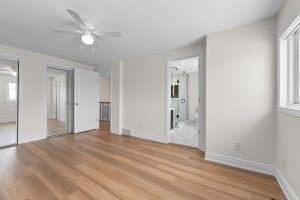

A full interior renovation is one of the most significant projects a homeowner can take on. It involves multiple rooms, numerous decisions, and coordination between timelines, budgets, and daily living arrangements. Without a clear plan, renovations can quickly become overwhelming and disruptive.
Many homeowners begin by researching reliable renovation information online. Pacific Builders offer structured insights into interior renovation services, renovation processes, and common project scopes. Reviewing this type of information at the start helps establish realistic expectations before any planning decisions are made.
This guide focuses on home renovation planning, breaking down the renovation process into manageable steps. With the right preparation, it is possible to complete a full interior renovation while minimizing stress, delays, and unexpected costs.
What Is Considered a Full Interior Renovation?
A full interior renovation typically involves comprehensive updates to most or all a home’s interior spaces. Unlike single-room projects, these renovations require careful coordination to ensure that systems, layouts, and finishes work together cohesively.
Areas Commonly Included
Interior renovations often cover:
- Kitchens and dining spaces
- Bathrooms and washrooms
- Living rooms and bedrooms
- Hallways and staircases
- Basements and utility areas
- Flooring, ceilings, lighting, and wall finishes
More detailed explanations of these renovation scopes can be found on interior renovation service pages such as interior renovation and washroom renovation.
Understanding whether your renovation is cosmetic, structural, or a combination of both is essential before moving forward.
Step 1: Start With Clear and Realistic Goals
Clear goals form the foundation of effective home renovation planning. Without them, projects often expand in scope, leading to increased costs and stress.
Defining Your Renovation Objectives
Before planning details, consider:
- Whether the renovation is for long-term living or resale
- Which rooms need functional improvements versus aesthetic updates
- Existing issues such as poor insulation, outdated plumbing, or limited storage
- How the renovation should improve daily routines
Documenting these goals helps guide decisions and ensures consistency throughout the renovation process.
Step 2: Build a Detailed and Flexible Budget
Budgeting is one of the most critical and challenging parts of interior renovation planning. A detailed budget reduces financial uncertainty and helps prioritize spending.
What to Include in Your Budget?
A comprehensive renovation budget should include:
- Labor and construction costs
- Materials and finishes
- Design fees and permits
- Temporary accommodations or storage
- A contingency fund for unexpected issues
Homeowners often underestimate secondary costs, such as demolition or disposal. Reviewing typical cost breakdowns on pages like house renovation services can provide useful context.
Step 3: Plan a Realistic Renovation Timeline
Interior renovations are complex and rarely follow exact schedules. A flexible timeline allows for adjustments without unnecessary stress.
Common Factors That Impact Timelines
Renovation schedules may be affected by:
- Permit approval timelines
- Material availability or shipping delays
- Scope changes during construction
- Inspections and code compliance
Phasing the renovation can help maintain livable areas. For example, basements are often renovated separately, as outlined in basement renovation information.
Step 4: Address Structural and Mechanical Needs First
Structural integrity and essential systems should always be addressed before cosmetic finishes.
Key Systems to Evaluate
Prioritize updates to:
- Electrical wiring and panels
- Plumbing lines and drainage
- Heating, ventilation, and insulation
- Load-bearing walls or framing
Completing this work early reduces the risk of needing to undo finished surfaces later.
Step 5: Create a Comprehensive Design Plan
Design planning reduces delays and decision fatigue during construction.
Important Design Decisions to Finalize
Before construction begins, homeowners should confirm:
- Room layouts and flow
- Cabinetry and storage design
- Flooring materials
- Lighting placement and controls
- Fixture and appliance selections
Grouping decisions by room and function supports consistency and simplifies the renovation process.
Step 6: Understand Permits and Local Regulations
Permits are an essential part of interior renovation planning and are often required for work involving structural or system changes.
Renovations That Commonly Require Permits
Permits are often needed for:
- Bathroom and kitchen renovations
- Basement finishing
- Electrical or plumbing upgrades
- Structural wall modifications
Failing to secure proper permits can result in delays, fines, or complications during resale.
Step 7: Prepare for Living Through the Renovation
A full interior renovation can disrupt daily routines, especially when kitchens or bathrooms are involved.
Reducing Day-to-Day Disruptions
Homeowners may consider:
- Creating temporary cooking or bathing areas
- Isolating construction zones
- Adjusting work schedules when possible
- Planning short-term stays elsewhere during major phases
Advance planning helps maintain comfort and reduces stress during construction.
Step 8: Maintain Clear and Consistent Communication
Communication plays a major role in keeping renovations organized and on track.
What Homeowners Should Stay Informed About?
Regular updates should cover:
- Progress milestones
- Schedule adjustments
- Budget changes
- Design modifications
Clear communication channels are often established through service providers, with contact details available on pages, contact page.
Step 9: Monitor Progress Without Overmanaging
Staying informed does not require constant oversight.
Effective Ways to Track Renovation Progress
Homeowners can:
- Review progress at key milestones
- Confirm inspections are completed
- Ensure materials match approved selections
This balanced approach supports accountability while allowing the renovation process to move efficiently.
Step 10: Conduct a Thorough Final Walkthrough
The final walkthrough ensures the renovation meets expectations before project completion.
Items to Review During the Walkthrough
During this stage, homeowners should:
- Compare completed work to original plans
- Test fixtures, lighting, and systems
- Identify unfinished or incorrect items
- Document any required adjustments
Taking time during this step reduces future issues and ensures satisfaction with the final result.
Long-Term Benefits of Thoughtful Home Renovation Planning
Careful planning offers long-term advantages, including:
- Fewer unexpected expenses
- Improved functionality and comfort
- Better coordination across spaces
- Increased confidence throughout the renovation
Well-planned renovations also tend to age better, as systems and layouts are designed with future needs in mind.
Conclusion
A full interior renovation is a major undertaking, but it does not need to be stressful. With careful preparation, realistic budgeting, and structured timelines, homeowners can navigate the process more smoothly. Focusing on thorough home renovation planning allows for informed decisions, fewer disruptions, and a more predictable renovation experience.
By taking the time to understand each phase of the renovation, homeowners can approach their project with clarity and confidence from start to finish.
Frequently Asked Questions
What does home renovation planning involve?
Home renovation planning includes defining goals, setting budgets, scheduling timelines, securing permits, and preparing for daily life during construction.
How long should I plan for a full interior renovation?
Most full interior renovations take several months, depending on scope, permits, and material availability.
Is it better to renovate all rooms at once?
Not always. Phased renovations can reduce disruption and allow homeowners to manage budgets more effectively.
Why is a contingency budget important?
Unexpected issues such as hidden damage or code updates are common. A contingency helps absorb these costs without derailing the project.
Are permits required for interior renovations?
Permits are often required for work involving plumbing, electrical systems, or structural changes. Local regulations determine specific requirements.